01
Prepare the document
Use a clear scan or photograph taken straight above the page. Include the complete line and avoid glare or deep shadows.
Upload a photo, scan, or PDF of an older handwritten document and create an editable first transcription for review, research, and preservation.
or drag and drop a file
JPG, PNG, WebP, HEIC or PDF · Up to 10 MB
Historical handwriting
Create a searchable first transcription while keeping historical spelling and the original document available for verification.
Read personal correspondence, journals, recipe books, and other inherited handwritten documents.
Extract names, dates, places, and relationships from handwritten family and archive records.
Work with older ink and paper when the page remains clear enough for letterforms to be distinguished.
Upload individual document photographs, high-resolution scans, or multi-page archive PDFs.
Correct uncertain words and preserve original spelling before creating a modernized copy.
Compare important names, dates, and abbreviations with nearby pages and other primary sources.
Old handwriting can be difficult to read because letterforms, spelling, abbreviations, ink, and paper quality change over time. This old handwriting reader gives you a first-pass transcription without requiring you to type every line manually.
01
Use a clear scan or photograph taken straight above the page. Include the complete line and avoid glare or deep shadows.
02
Upload the image or PDF so the handwriting model can examine the script and produce an editable reading.
03
Check names, dates, abbreviations, and faded passages against nearby pages and other primary sources.
Historical examples
Compare two nineteenth-century archival letters with their editable first-pass transcriptions.
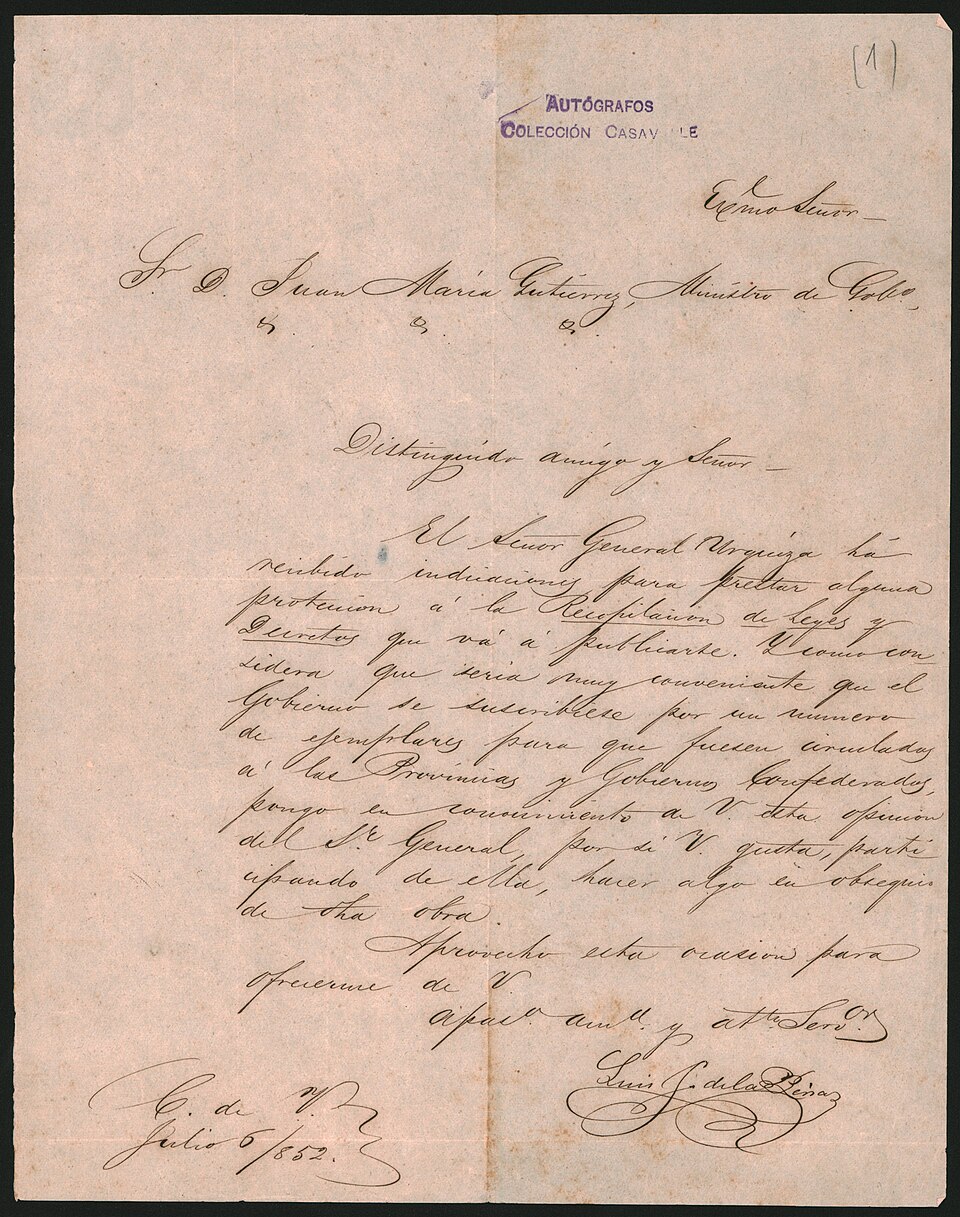
Historical Handwriting Reader
Move from a difficult scan to searchable text while keeping the original document available for verification.
Create readable copies of personal correspondence, journals, recipe books, and inherited documents.
Extract names, dates, places, and relationships from handwritten records, then verify them against the source.
Turn historical pages into searchable text for notes, citations, cataloging, and further analysis.
Transcribe handwritten registers, council records, land documents, and community collections for easier searching and reference.
Create a working transcript of primary sources before checking difficult names, abbreviations, and quotations against the original.
Prepare searchable first drafts for catalog descriptions, finding aids, exhibitions, and digitization projects.
Choose a focused workflow for everyday handwriting, notebook pages, cursive images, or multi-page PDFs.
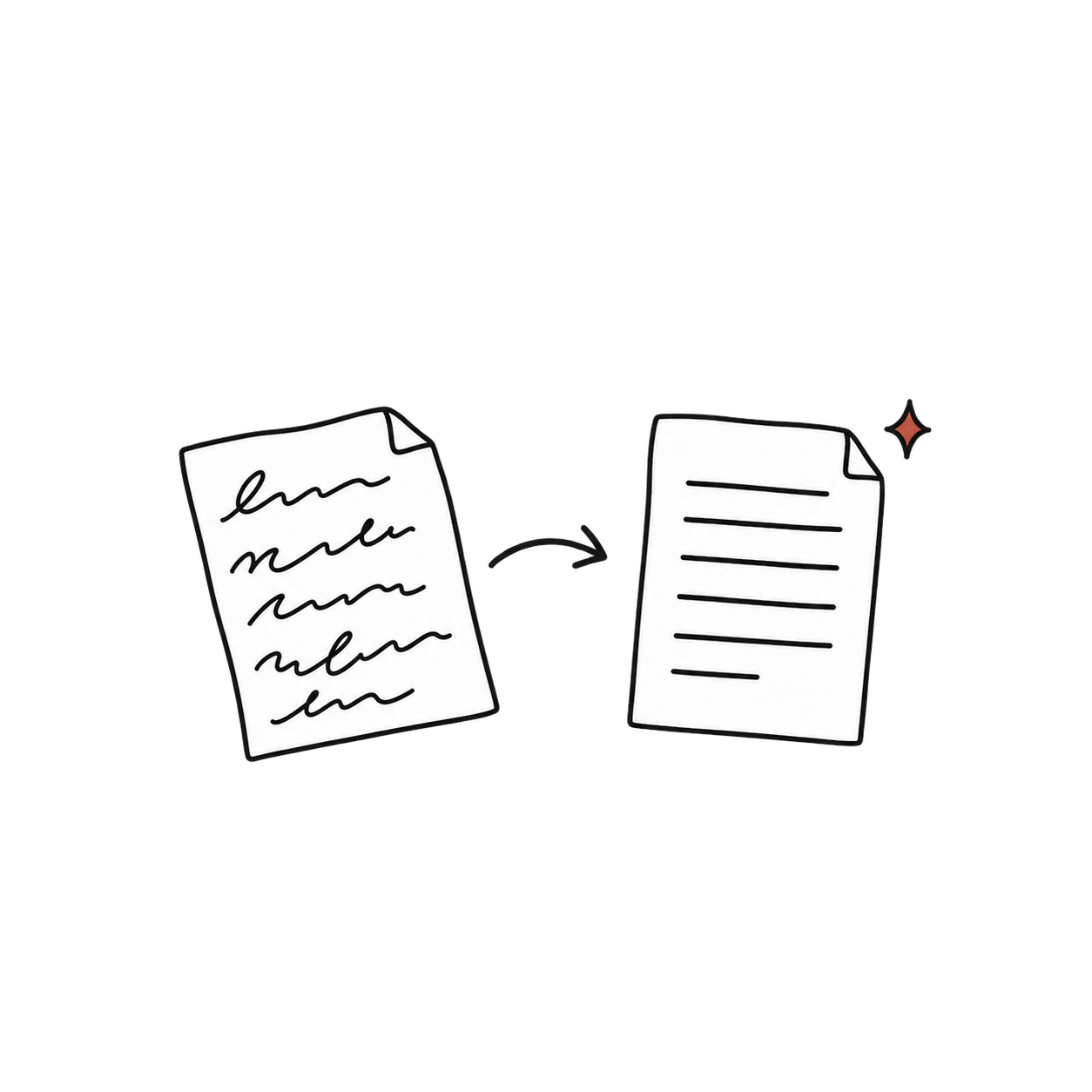
Convert cursive and printed handwriting from images and scans.
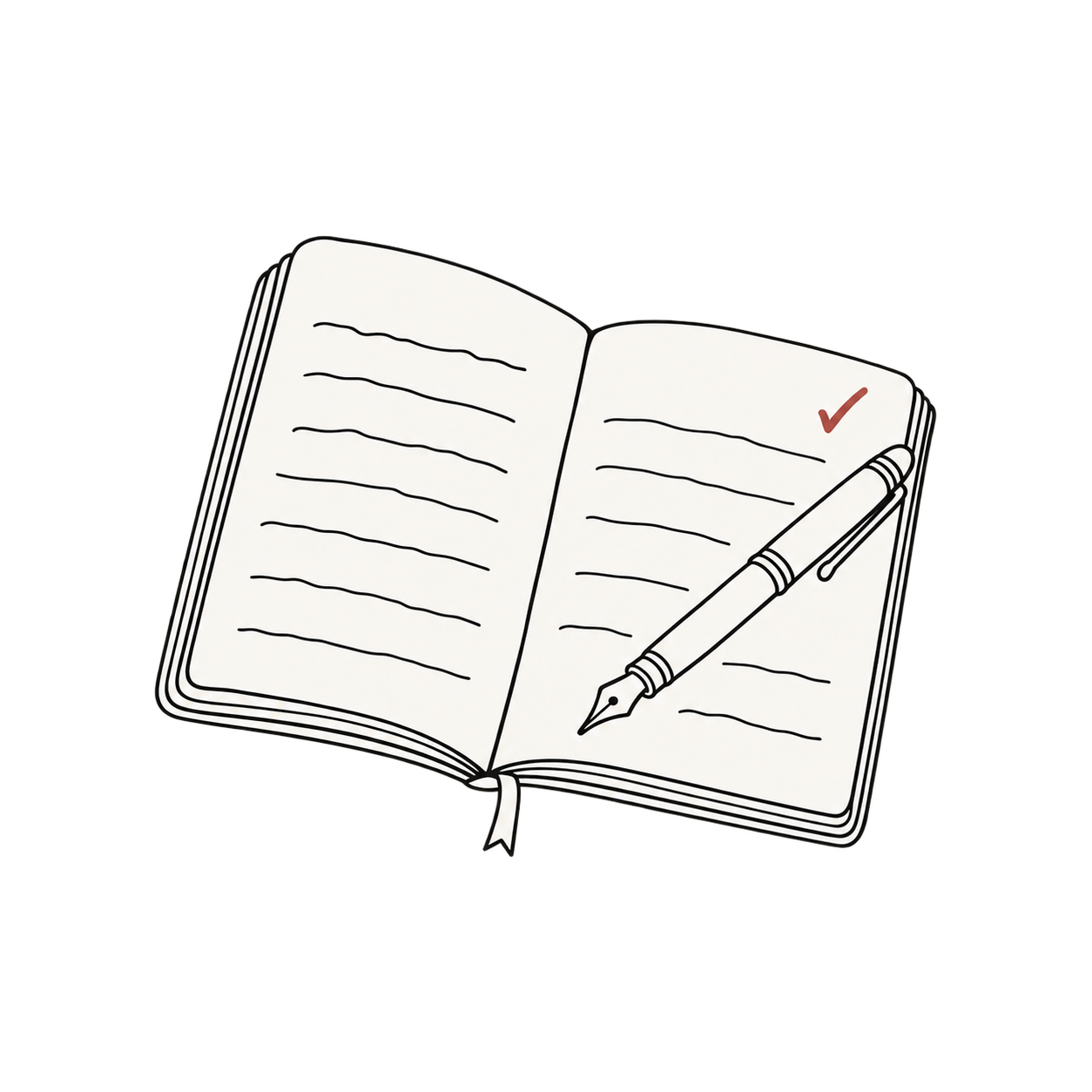
Digitize notebook pages, class notes, and meeting notes.
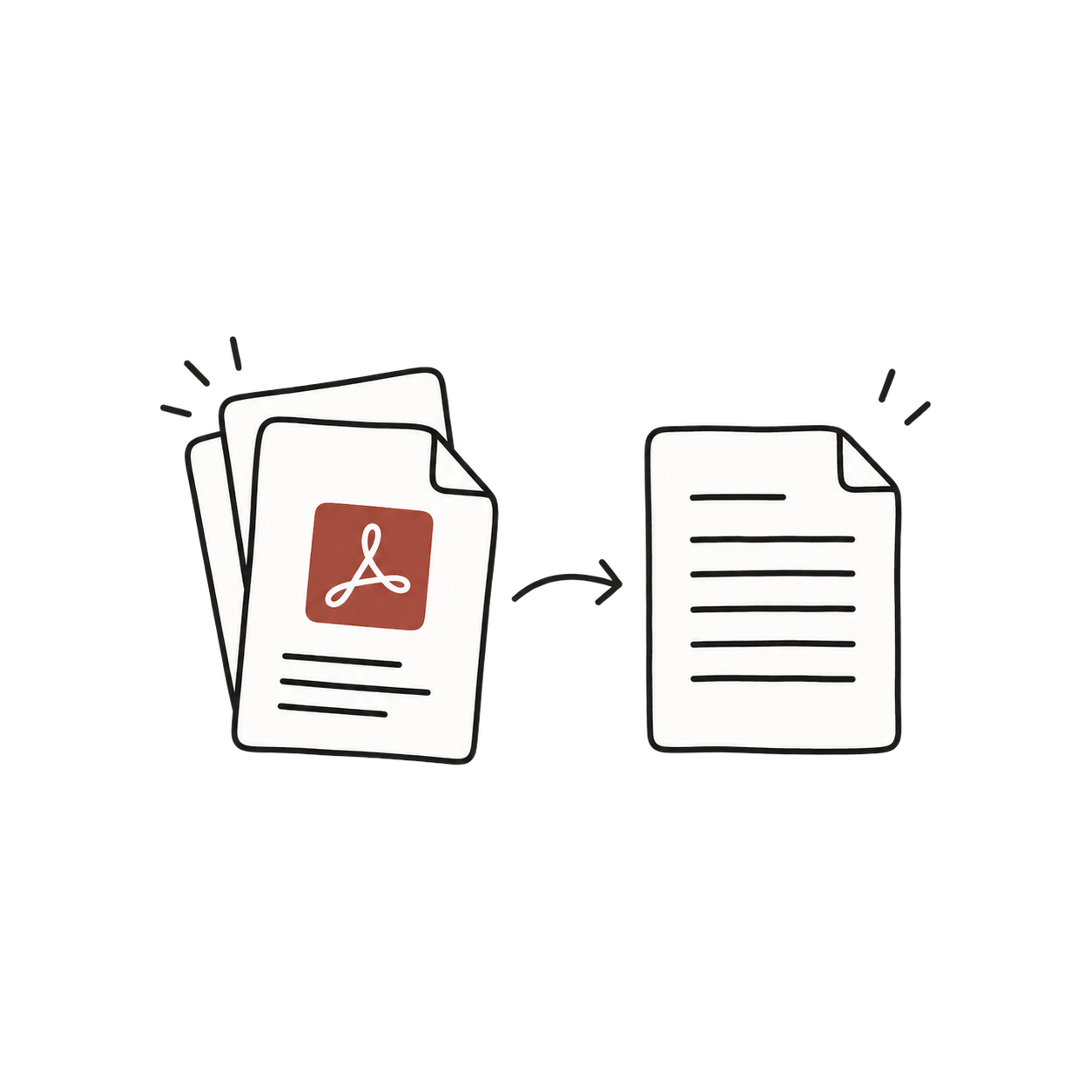
Process handwritten PDF pages and turn them into editable text.
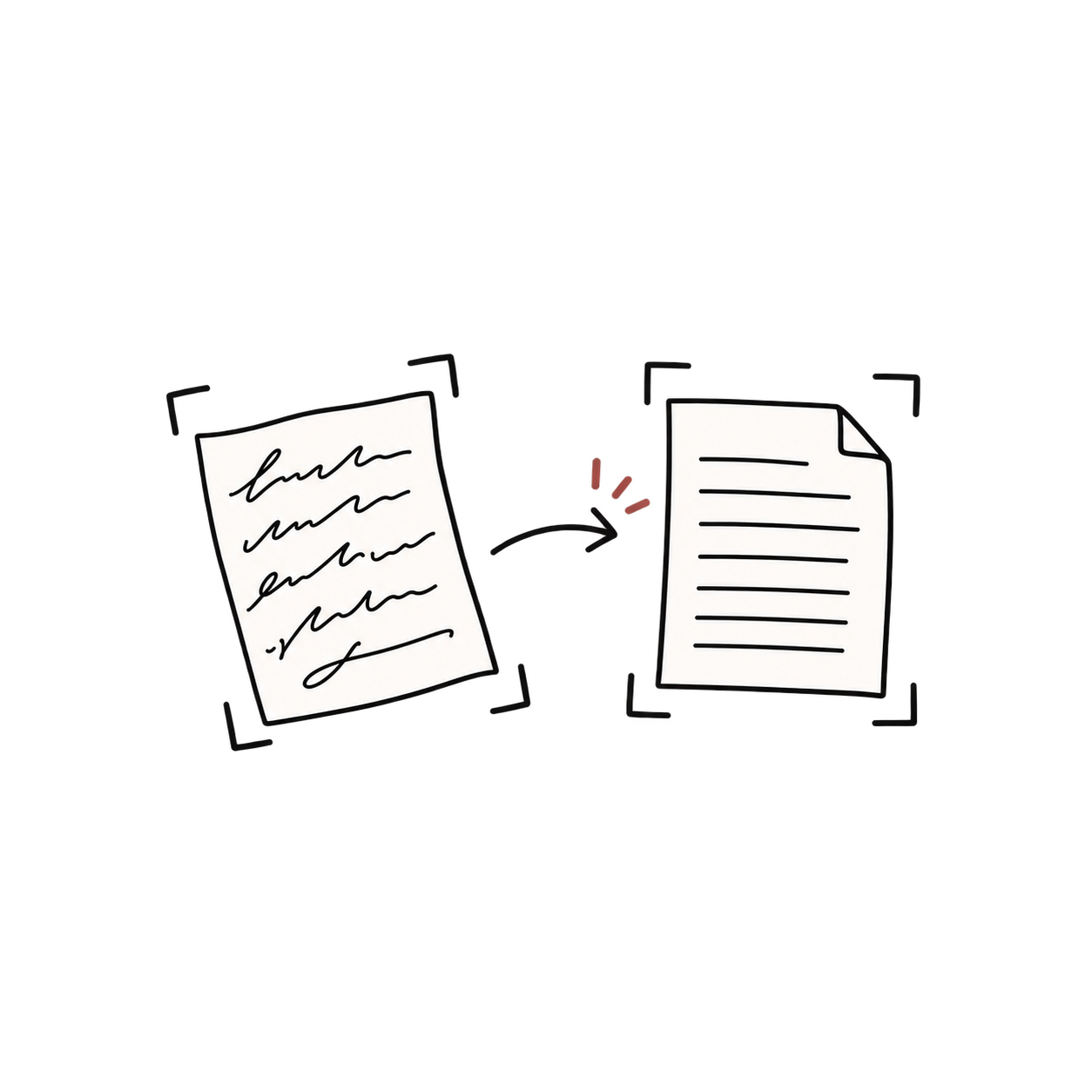
Read modern cursive handwriting from photos, scans, and images.
FAQ
Common questions about converting historical handwriting into text.
AI can provide a useful first transcription of many old cursive documents. Results vary with the script, language, image quality, ink, and condition of the paper.
Yes. It can help extract text from family letters, journals, certificates, and archive records. Always verify names, dates, and places against the original source.
The tool attempts to transcribe what appears on the page. Review the result before correcting spelling, punctuation, or abbreviations so you can preserve a faithful copy.
Use the highest-resolution scan available, improve contrast carefully, and crop distracting areas. Missing or obscured writing may still require manual interpretation.
Yes. PDF uploads are supported, including multi-page documents within the page and file limits of your plan.
No automated transcription should be treated as a certified reading. For legal or high-stakes use, compare every relevant passage with the original and consult a qualified specialist when needed.
The tool works best with English and may help with some other Latin-script documents. Historical vocabulary, language, abbreviations, and letterforms can significantly affect accuracy.
Yes. Use soft, even light, keep the camera parallel to the page, and avoid flash glare. Handle fragile originals according to the archive or conservator's guidance.
Upload a photo, scan, or PDF of an older handwritten document and create an editable first transcription for review, research, and preservation.